
reactive dog training gold coast: why your dog barks and lunges on walks.
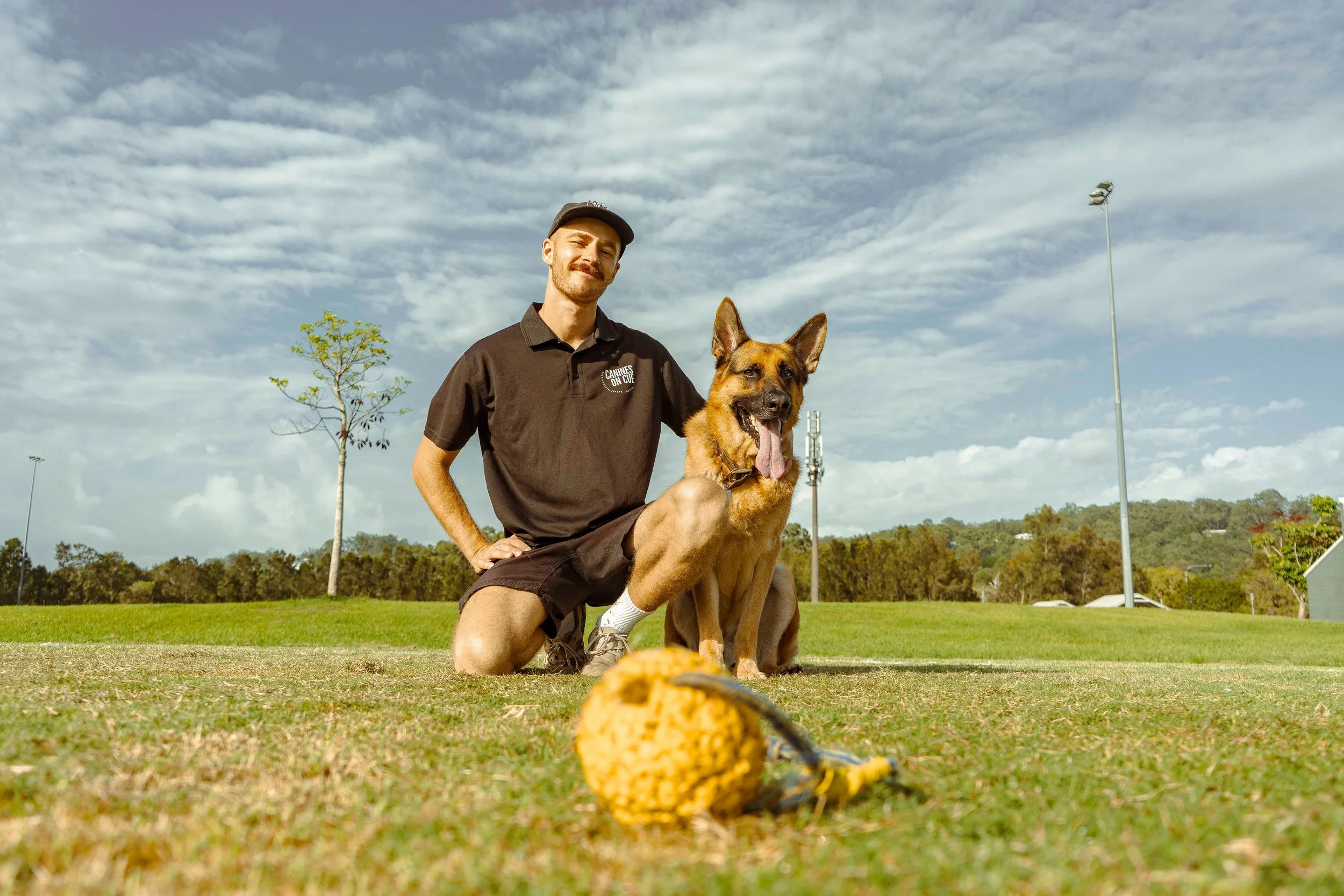
Reactive behaviour can develop for several reasons.
Understanding the cause can help determine the best training approach.
⸻
1. Frustration
Many reactive dogs actually want to greet other dogs or people, but the leash prevents them from doing so.
This creates frustration.
The sequence often looks like this:
1. Dog sees another dog
2. Dog becomes excited and tries to approach
3. The leash restricts movement
4. Frustration builds
5. Barking and lunging occurs
6. Problem intensifies with every reaction.
Dogs that play well off-leash but react strongly on leash often fall into this category. This doesn’t mean it is less serious. What starts as frustration can very easily tip into actual aggression if left untreated.
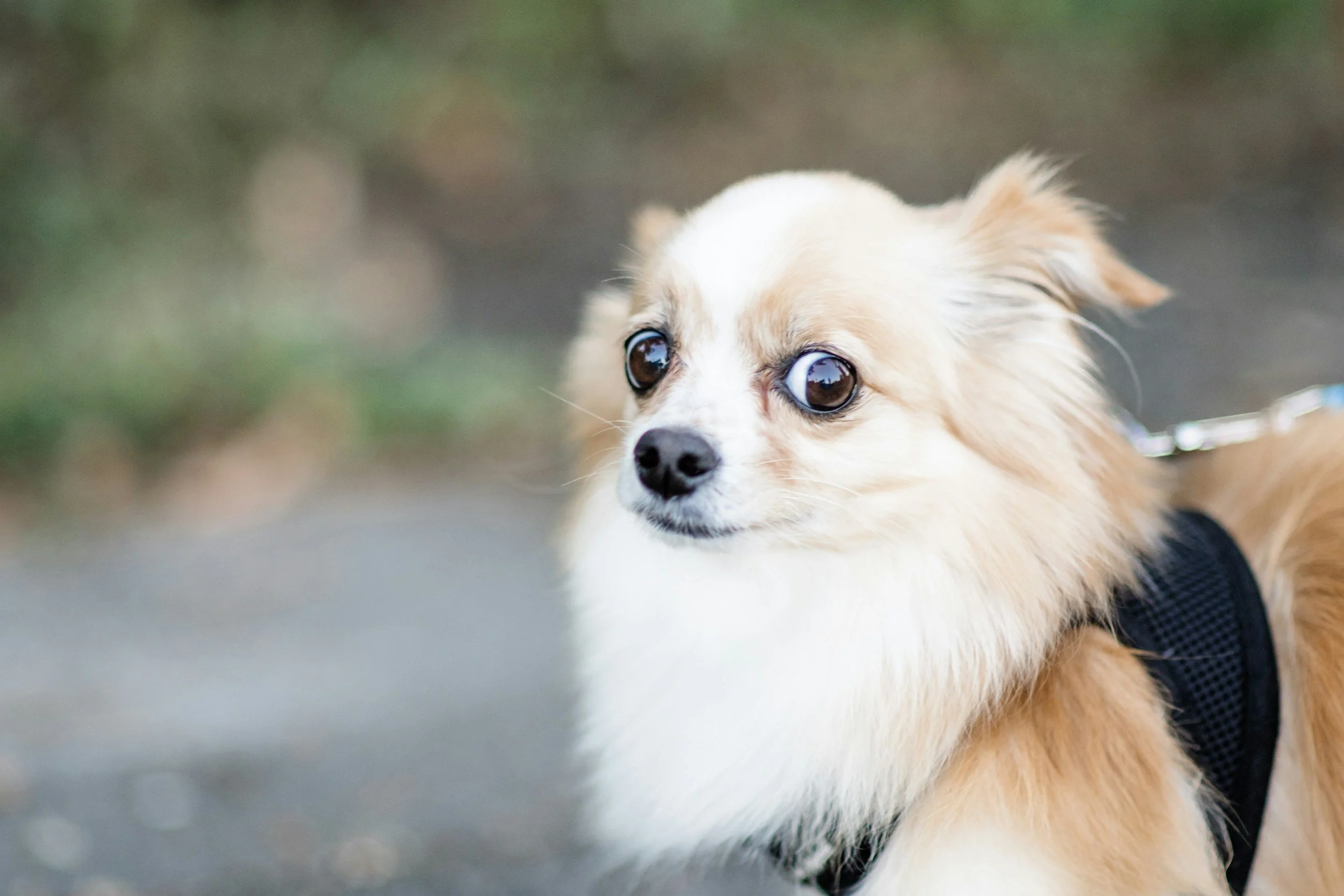
Why Reactivity Often Gets Worse Over Time
Many owners unintentionally reinforce reactive behaviour.
Common patterns include:
• tightening the leash when a trigger appears
• avoiding situations without training
• pulling the dog away during reactions
These responses can increase tension and emotional arousal, while feeding into the reactivity-reinforcement cycle.
Without training, each reactive episode strengthens the habit.
Signs Your Dog Is About to React
Most dogs show early warning signals before barking or lunging.
Learning to recognise these signals is extremely helpful.
Early signs often include:
• intense staring
• body stiffening
• ears forward
• slow stalking movement
• closing the mouth suddenly
Intervening at this stage is far easier than trying to control a full reaction. Click the button to learn how.
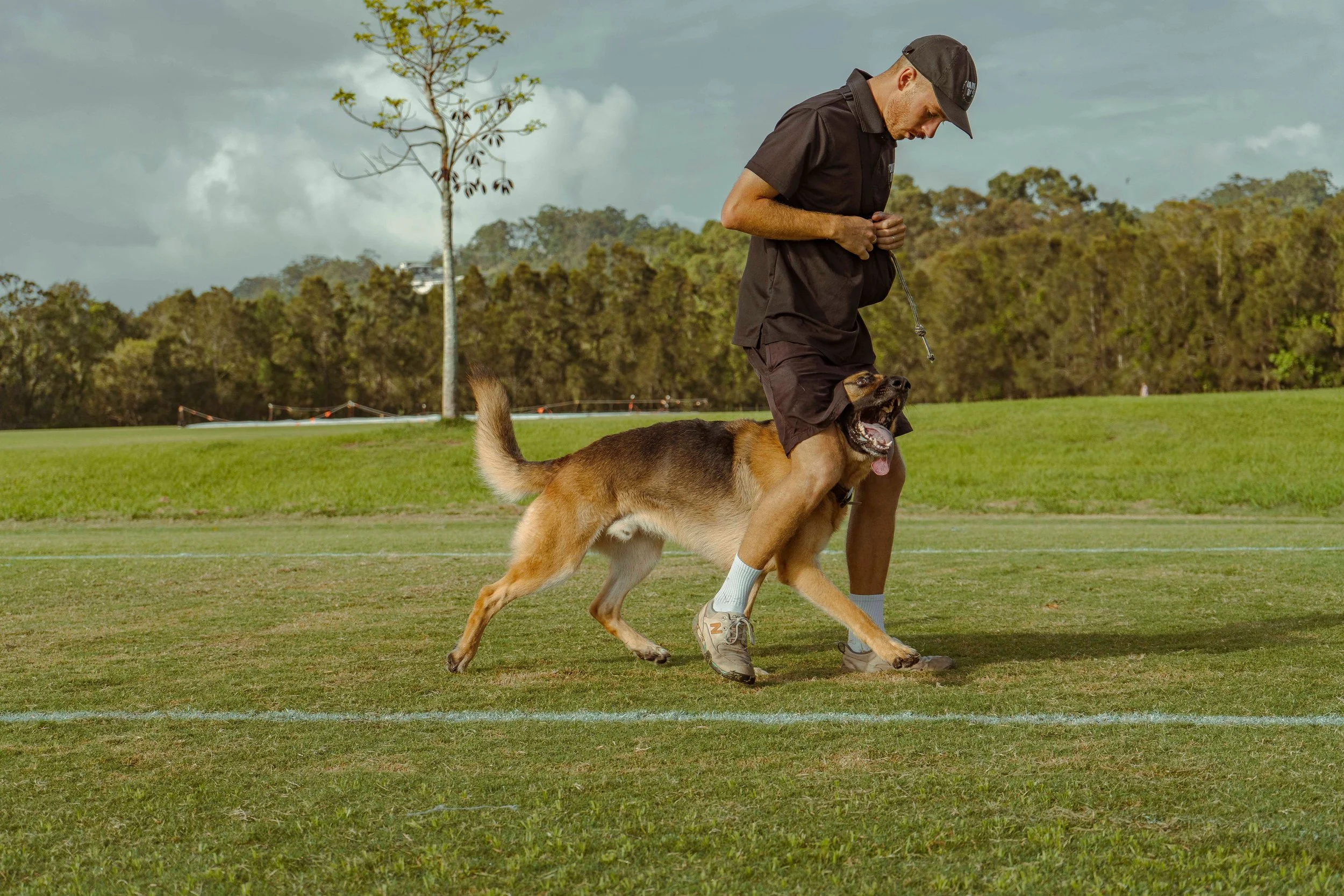
Few things are more stressful for dog owners than a walk that turns chaotic. Your dog spots another dog, person, or bike and suddenly begins barking, lunging, pulling, and completely flipping the heck out.
How do I know how stressful and frustrating this can be? Because my own dog Hagrid used to be the absolute worst.
This behaviour is commonly called dog reactivity.
Reactive dogs are not necessarily aggressive. In many cases, the behaviour is driven by frustration, excitement, or fear rather than a desire to harm. Understanding why reactivity occurs is the first step toward fixing it.
For dog owners on the Gold Coast, where busy footpaths, dog beaches, and crowded parks are common, reactivity can make everyday walks extremely difficult.
At Canines On Cue we work with reactivity every single day and get consistent results. If you have a reactive dog on the Gold Coast, we would love to hear from you. Hit the button to get started.
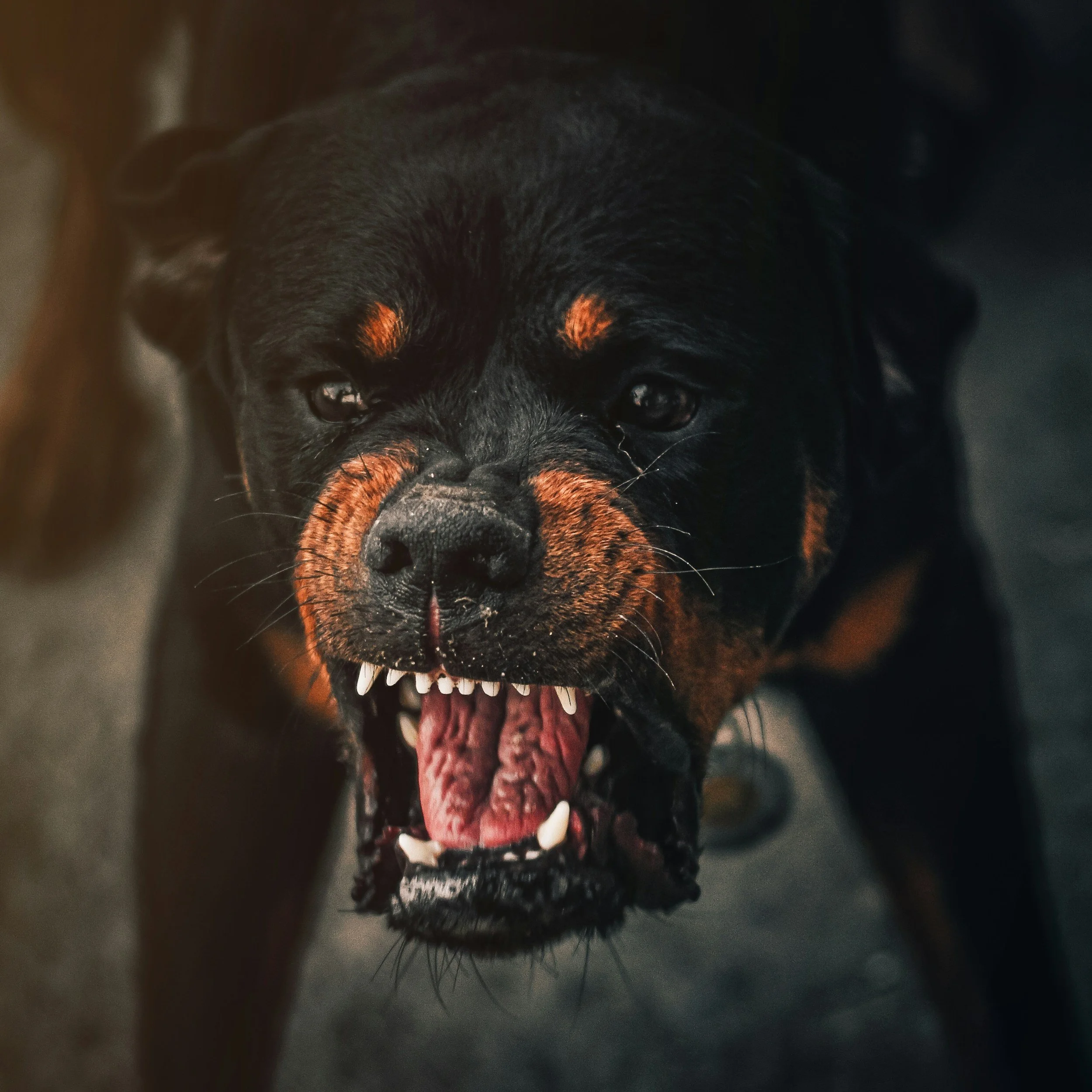
2. Insecurity
Some dogs react because they feel threatened.
When a dog feels unsafe, they may try to create distance by barking or lunging.
This behaviour can be triggered by:
• poor early socialisation
• past negative experiences
• genetic temperament
Fear-based reactivity is common in rescue dogs or dogs that were not exposed to many environments as puppies.
3. The dog genuinely enjoys it.
The point most people forget to mention. Some dogs just like the feeling of telling another dog or trigger to get lost. It makes them feel powerful. Strong. In control.
German Shepherds, Rottweilers, Malinois, Dobermans and other guarding breeds tend to be common culprits due to strong genetic instinct.
This type of reactivity is often affiliated with a lack of biological fulfilment - meaning the dog usually isn’t getting enough physical exercise, mental stimulation or breed specific enrichment. This creates a pressure cooker, and the dog learns that reacting to dogs is the best way to release some steam.
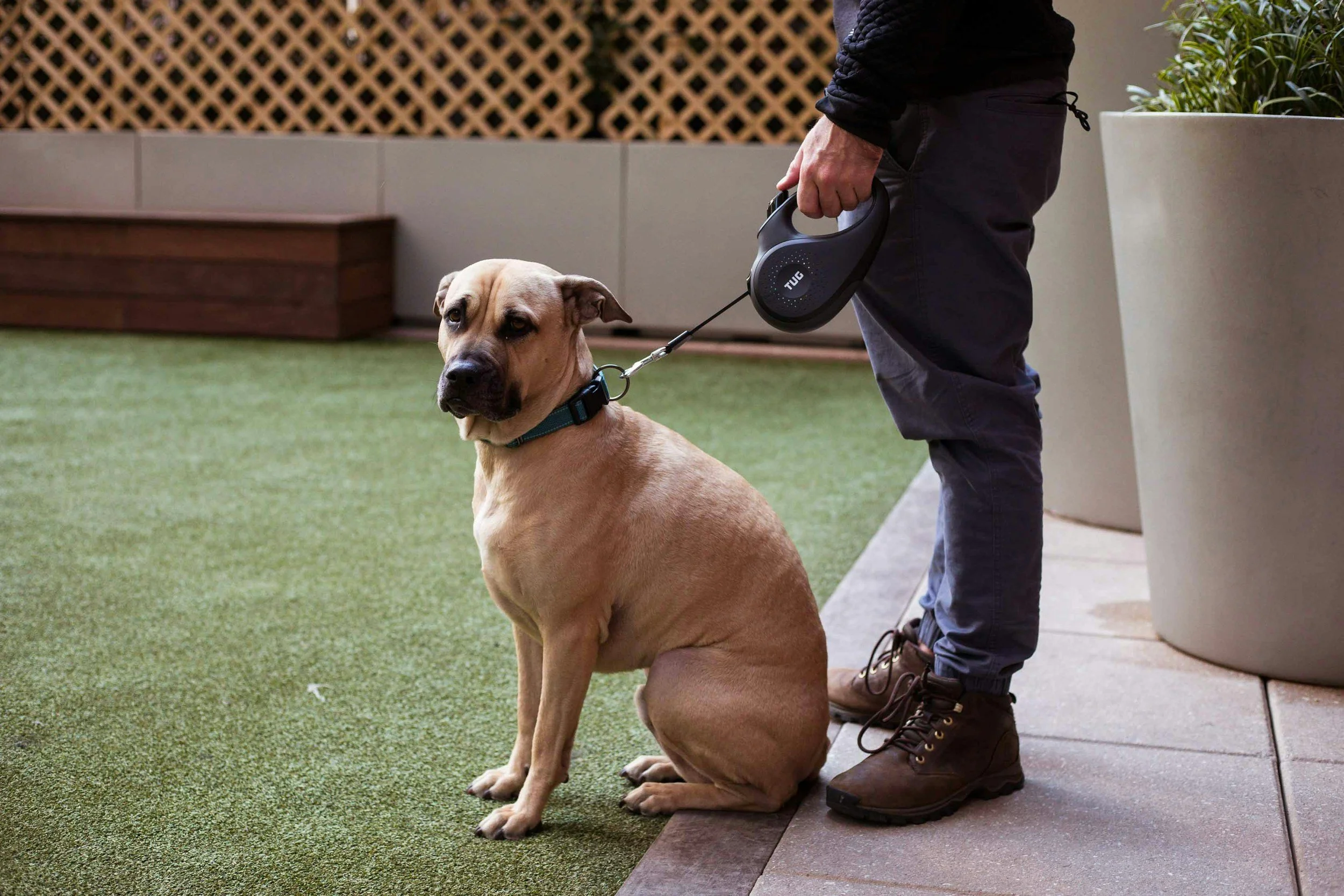
Training Strategies for Reactive Dogs
Improving reactivity requires changing both the dog’s emotional response and their behaviour.
As a general rule, if your dog pulls you like a freight train and doesn’t pay you any attention on walks - start there. Begin by creating clear boundaries on the leash, and developing good engagement with you.
Once these are put in place, a process of slowly exposing your dog to other dogs at a distance where they are not reacting begins. These interactions are paired with rewards, and are very incremental in progress. The goal is to avoid explosions as best you can, and to desensitise your dog to the trigger over time.
We are always available for training if you are needing help. We work with reactivity every single day and achieve great results.
⸻
start your dog’s rehabilitation.
Reactivity is one of the most common behaviour issues dog owners face.
While barking and lunging on walks can feel embarrassing and stressful, the behaviour is usually driven by understandable emotional responses such as frustration, fear, or a lack of fulfilment (or a beautiful mixture of all three!)
With the right training approach, many reactive dogs can learn to remain calm and focused during walks, while at the beach, or at the local cafe.
We fix reactive dogs every single day. if you are ready to turn your frustrating, stress inducing walks into a ‘walk in the park’ - book a free assessment now.